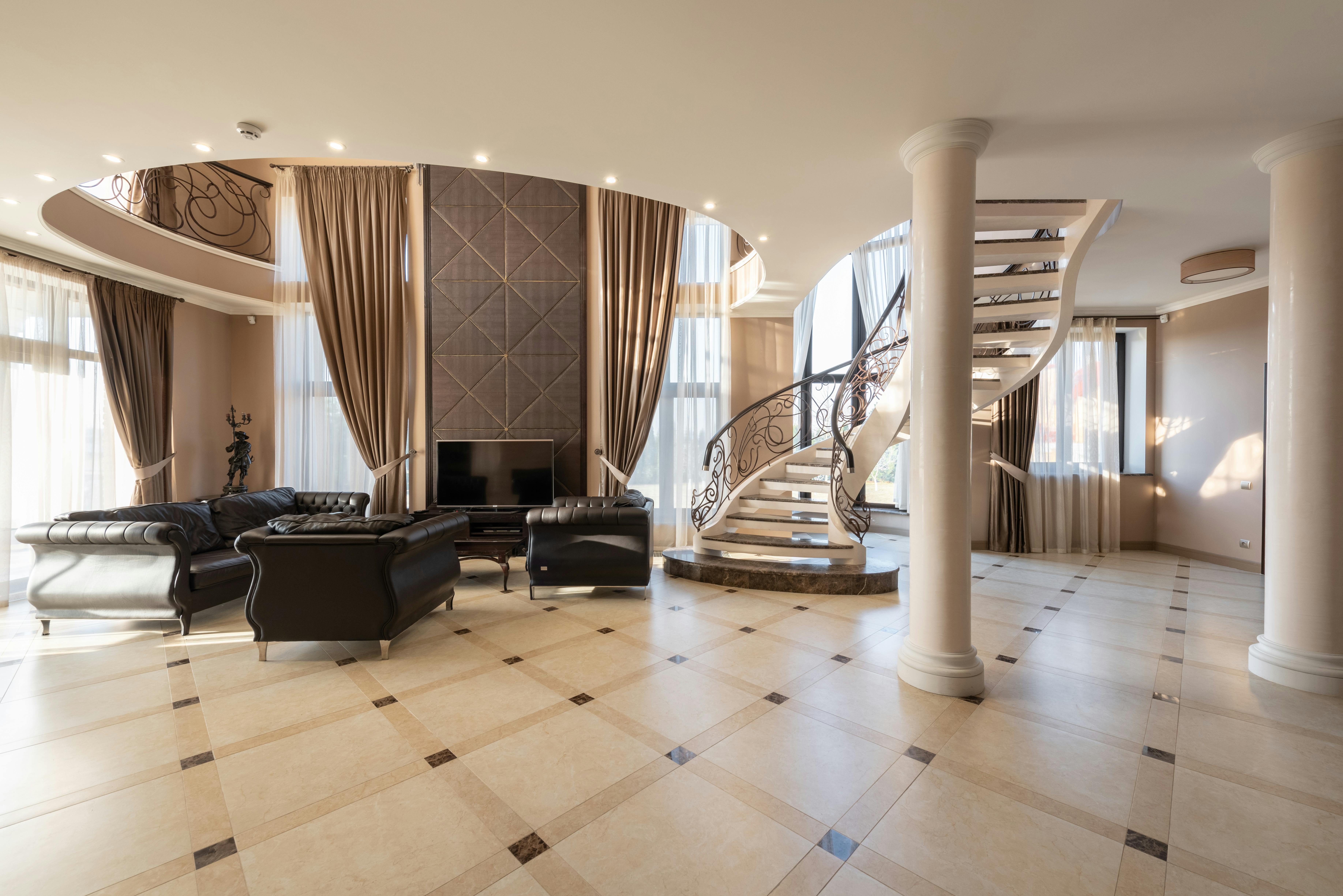
Flat Interior Design in Dubai: Space-Smart Solutions That Work
There is a stubborn myth in Dubai real estate that a small apartment simply cannot feel open, upscale, or genuinely livable. Anyone who has walked through a well-planned studio in Dubai Marina or a compact two-bedroom in Business Bay knows how wrong that idea actually is. Raw square footage does have its limits, but good design consistently makes compact homes feel much bigger than their floor plans suggest. Homes are getting smaller and rents keep rising, so doing more with less has never been more valuable than in 2026. In practice, small-space problems carry practical, affordable solutions waiting to be applied. This guide addresses the everyday frustrations squarely and supplies reliable, real-world solutions for every one. Expect to find down-to-earth 2026 costings along the way, letting you plan the work with genuine confidence.
The Myth: Small Apartments Cannot Feel Luxurious
Let us clear up the biggest myth straight away, because it stops so many homeowners from even starting. In a compact home, luxury comes not from grand proportions but from considered detail, quality materials, and a serene, uncluttered space. A small Downtown Dubai apartment finished in warm stone, integrated lighting, and bespoke joinery reads far richer than a big but characterless space. Consistency does the heavy lifting: a restrained palette and seamless flooring let even 700 square feet feel unified and deliberate. One well-judged statement piece, like a single beautiful light fixture, delivers impact without filling up the space. The quiet-luxury look driving Dubai interiors interior design ajman in 2026 is, conveniently, a natural fit for smaller homes. As soon as you accept that less really can feel like more, every other decision comes more easily.
The Issue: Chronic Storage Shortage
By far the most common complaint in Dubai apartments is a chronic shortage of storage. The answer is to think upward and to treat every wall as an opportunity rather than a constraint. Full-height wardrobes and joinery that runs right to the ceiling grab space that ordinary furniture leaves unused. Built-in units that frame beds, sofas, and even doorways stow clutter away and keep sightlines clean and calm. Furniture that works twice, such as ottomans that open up or beds with under-bed drawers, is priceless in a compact home. In the kitchen, full-height pull-out larders and corner carousels wring usable storage from otherwise awkward spaces. Custom joinery, even if it costs, utterly changes how a small flat works day in, day out.
- Run wardrobes and shelving to full ceiling height wherever possible.
- Choose beds, sofas, and benches with built-in storage inside.
- Turn the backs of doors and the space above them into additional storage.
- Wherever a narrow gap sits beside an appliance, insert slim pull-outs.
Problem: Cramped, Boxed-In Rooms
When a space feels tight, the temptation is to strip out furniture, but design offers far subtler fixes. Big mirrors are the oldest trick for a very good reason, appearing to double the space and carrying Dubai’s generous daylight deeper into the room. A soft, unified palette over every surface erases the visual breaks that make rooms feel disjointed. Picking furniture on slim legs and a smaller visual footprint lets the eye travel further across the floor. Keep the dressing minimal and mount curtains high and wide, and the ceiling feels taller while windows feel grander. By reducing the sheer number of separate materials and finishes, you calm the space and make it read bigger. Nothing has physically changed in size, yet the room will genuinely feel as though it has grown.
Problem: When One Room Does Everything
In a studio or one-bedroom, one room commonly serves as lounge, office, dining room, and sometimes bedroom too. Zone the room using rugs, lighting and furniture to mark the shift from one function to the next. A slim console table can divide the sleeping area from the living zone while serving just as well as a desk. Foldaway and extendable pieces, from wall beds to drop-leaf tables, let the room shift through the day. Instead of building a wall, sliding screens or open shelving separate zones and still pass light through. Adaptable, multifunctional layouts are one of 2026’s defining trends and are ideal for compact Dubai living. Define the zones clearly and even one room feels ordered and purposeful rather than chaotic.
Common Problem: Too Little Natural Light
Mid-floor apartments, particularly in crowded areas like Bur Dubai, frequently get less daylight than their occupants would like. The answer is to capture and then spread out whatever light is available. Keep the window zones open and don’t park tall furniture against the glass. Reflective finishes, pale floors and facing mirrors combined carry light further inward. Then a layered artificial lighting scheme covers the shortfall by running ambient, task and accent light on separate circuits. Warm, dimmable LEDs let a dim apartment feel cosy by night rather than gloomy and cold. Often, smart lighting design is the highest-impact, lowest-disruption upgrade available to a small home.
Renting? Design With Reversal in Mind
A large share of Dubai residents rent that reversible design deserves special attention in any compact-home plan. Stick-on finishes, movable storage and tension-fixed fittings deliver real impact while keeping the lease untouched. Well-made rugs, lamps and textiles travel with you to the next home, so they are truly smart investments. Freestanding wardrobes and modular shelving bring valuable storage that packs up and leaves with you. Review your contract and lock down written landlord approval ahead of any fixed alteration, always. To refresh a tired space affordably, try removable film on cabinet fronts or a short-term feature wall. A reversible approach lets even a rented flat feel totally like home.
What You Will Pay for Small-Space Design in 2026
Compact-home upgrades span a wide budget range based on how ambitious the brief and finish are. As a 2026 market estimate, a budget full fit-out of a small apartment may begin at roughly AED 200,000 to 340,000, while a mid-range overhaul of a two-bedroom around 1,100 to 1,500 square feet typically falls between AED 400,000 and 750,000. Looked at per square foot, budget residential work sits around AED 75 to 250, and mid-range schemes about AED 200 to 400. On the typical quote, bespoke joinery, the quiet hero of small-space design, is usually the largest single line item. After design sign-off and approvals, the on-site work usually spans six to ten weeks. Fees for design only typically sit near 10 to 20% of the project budget, and each figure here is a market range rather than a fixed quote.
| Problem | The Fix | 2026 Cost Estimate |
|---|---|---|
| Too little storage | Full-height custom joinery and double-duty furniture | AED 15,000 to 60,000+ |
| Feeling boxed in | Mirrors, light colours, slender furniture | AED 5,000 to 25,000 |
| One room, many uses | Zoning plus a wall bed and folding, modular pieces | AED 10,000 to 40,000 |
| Poor natural light | Layered lighting and reflective surfaces | AED 8,000 to 30,000 |
| Renting limits | Peel-and-stick, freestanding, reversible solutions | AED 3,000 to 15,000 |
The Bottom Line
Your apartment’s problems are far from unique, and every one has a workable fix. Everything here comes back to intentionality, so making every element earn its place and serve more than one purpose. Starting from a clear plan, lead with storage and light and let a pared-back palette unify everything. Modest, well-executed changes almost always outperform large, scattered ones in a compact home. When money is tight, stage the work and start with the biggest-impact fixes. Give a Dubai apartment thoughtful design and it can feel calm, generous, and quietly luxurious, whatever its size. The myth of the cramped small home simply does not survive good design.